
The Wellness Wheel for Dementia Care: How to Help Your Loved One Balance Physical Health When Eating Becomes a Challenge
 Submitted by Beth Rush
Founder and Managing Editor
Body+Mind Magazine
The Wellness Wheel concept shows how nutrition connects with dignity, routine, environment, and emotional support. By taking a holistic view, you can create mealtimes that feel calmer, safer, and more nourishing for everyone involved.
 Caring for a loved one with dementia, Alzheimer’s disease, or other dementias often brings unexpected challenges to everyday routines. When eating becomes difficult, meals that someone once found comforting and familiar can become sources of frustration, confusion, or worry — for both of you.
The Wellness Wheel concept shows how nutrition connects with dignity, routine, environment, and emotional support. By taking a holistic view, you can create mealtimes that feel calmer, safer, and more nourishing for everyone involved.
Understanding Why Eating Becomes Difficult
The link between dementia and food is a complex issue. When someone with Alzheimer’s disease or a different dementia struggles with eating, it is rarely caused by just one factor.
Physical Hurdles to Eating
If your loved one is struggling with food, it’s important to rule out physical issues first, because these can often be helped.
One of the most common physical issues is dysphagia, which is a physical difficulty in swallowing that may occur gradually or suddenly. This condition can make it unsafe to eat certain foods and may increase the risk of choking or aspiration. Signs to watch for include coughing while eating, frequent throat clearing, holding food in the mouth, or avoiding certain textures. If you suspect dysphagia, consult a speech and language therapist, who will be able to advise.
Dental health can also play a significant role. Ill-fitting dentures, gum irritation, mouth sores, or tooth pain can make chewing uncomfortable. A person with dementia may not be able to communicate that something hurts, so reluctance to eat may be the only visible signal.
Medications can contribute to the challenge, as well. Some prescriptions can reduce appetite, cause nausea, dry out the mouth, or alter taste perception. If the change in eating habits has come shortly after starting a new medication, discuss it with a professional.
Cognitive and Behavioral Challenges With Food
Beyond physical barriers, dementia can affect the mental processes involved in eating.
A person may forget how to use utensils or may no longer recognize foods that once seemed familiar. Some individuals may not realize they are hungry because their brain no longer recognizes hunger or thirst cues, while others may not understand that they have already eaten and may ask for another meal. That’s because the brain doesn’t always process the sensation of fullness, either.
Changes in taste and smell are also common. The challenges of dementia and food mean that once-enjoyed meals may seem bland or strange.
Behavioral shifts can also affect mealtime. An individual might become restless and leave the table repeatedly, or they might feel suspicious about the food you are offering. Often, those with dementia simply lose interest in eating. A change in appetite and eating less can signal depression, which those living with this disease may otherwise be unable to express.
All these behaviors are symptoms of the disease, not personal choices or someone just being difficult. However, unlike physical barriers, cognitive and behavioral ones are often not helped by medication. This is where the holistic approach becomes so important.
A Wellness Wheel Approach to Nourishment
Rather than searching for a single solution, many caregivers find success by focusing on several supportive strategies at once. Here are four simultaneous ways to approach dementia and food that, taken together, can help reduce stress and frustration for everyone.
 1. Create a Calm Routine
 1. Create a Calm Routine
Routine can be incredibly reassuring for someone living with Alzheimer’s disease or other dementias. When meals happen at roughly the same time each day, the body’s internal rhythms begin to anticipate food, which may naturally encourage appetite.
Consistency also reduces confusion. Sitting down in the same place, with familiar dishes and a predictable schedule, can create a sense of safety. A calm environment is vital. Too much noise or stimulation may overwhelm your loved one, making it hard to focus on eating.
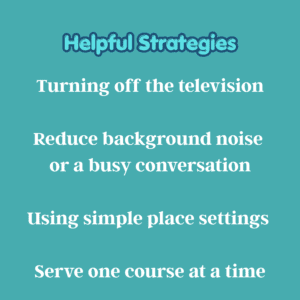
Helpful strategies include:
- Turning off the television during meals
- Reducing background noise or a busy conversation
- Using simple place settings instead of crowded tables
- Serving one course at a time to avoid visual overwhelm
Small adjustments like these can add up to help shift mealtimes into a quieter, more manageable experience.
2. Adapt the Menu With Care
 2. Adapt the Menu With Care
Food preparation may need to evolve as your loved one’s condition progresses. The goal is to ensure they have the nutrition they need, but you should also aim to maintain an enjoyment of food.
Texture modification is often important, particularly if swallowing is difficult. Soft or moist foods may be easier to manage than dry or crumbly options.
If weight loss is a concern, focusing on nutrient-dense foods can help. Adding healthy fats like avocado, nut butter, olive oil, or full-fat dairy cream can increase calorie intake without requiring larger portions.
Some foods may require extra caution due to a higher choking risk. Examples include:
- Hard candies
- Tough cuts of meat
- Dry crackers or crumbly cookies
- Sticky foods like thick peanut butter
- Popcorn or nuts
3. Focus on Dignity and Independence
 3. Focus on Dignity and Independence
The core issue with dementia and food is about more than just nutrition. It is also about identity, independence, and personal pride. As ever with dementia, allow the individual to do as much for themselves as they comfortably can. Even small actions, like holding a spoon, picking up finger foods, or choosing between two meal options, can reinforce a sense of autonomy.
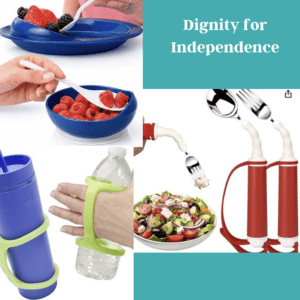
Adaptive tools can make eating easier and less frustrating. For example:
- Weighted utensils are easier to grip and control.
- High-sided plates or bowls prevent food from sliding off.
- Nonslip placemats keep dishes steady.
- Two-handled cups provide stability for drinking.
Gentle prompts can help guide without taking over. Try simple cues such as, “Here’s your spoon,” or “Let’s take another bite.” A calm, encouraging tone helps maintain dignity while supporting success. It may help if you also have a small plate of food at the same time. Realistically, you may not be able to eat much of it, but it serves as a visual and social cue to your loved one that “We are eating now.”
4. Offer Gentle Hands-On Assistance
 4. Offer Gentle Hands-On Assistance
Eventually, some people will need more direct help during meals. When that time comes, the goal remains the same — to provide support while preserving comfort and respect.
Positioning matters. Sitting at eye level, rather than standing over someone, helps create a more relaxed and respectful interaction. Meals should be paced slowly. Offering small bites allows time to chew and swallow fully before the next bite. Rushing can increase anxiety and choking risk.
Watch for signs that swallowing is complete before the next spoon. Speak warmly, but also maintain eye contact and smile, because body language matters more than words if the individual has communication difficulties.
Even when assistance is needed, the experience can still feel cooperative rather than clinical. A gentle touch, a conversation, or a shared moment of humor can still maintain your connection with your loved one.
Rethinking Snacks, Treats, and Hydration
 Rethinking Snacks, Treats, and Hydration
The relationship between dementia and food doesn’t only come from three structured meals. In fact, many people with dementia eat better when food is offered in smaller portions throughout the day. Snacks can become valuable opportunities for nourishment.
Healthy snack ideas should be tailored to what the person enjoys, but may include:
- Smoothies or milkshakes
- Yogurt with soft fruit
- Jelly on soft bread
- Cheese cubes
- Scrambled eggs or mini omelets
Hydration is equally important. Dehydration is common in people with dementia and can increase confusion even further, making matters worse. Don’t wait for them to ask for a drink — they may not, or they may not be aware that they need one. Instead, offer beverages they like regularly. Milk-based options can be a good choice as they also increase calorie intake. Popsicles are a soothing treat for sore gums or on hot days.
Relaxing the Rules of a Healthy Diet
As your shared journey progresses, you may find that the definition of a “good” meal evolves. Eventually, many caregivers find it helpful to shift their focus from long-term nutrition to immediate quality of life.
Familiar comfort food can help soothe anxiety, spark a moment of recognition, or offer profound joy. By the time late-stage dementia arrives, the most important benefit food can offer is happiness. When a loved one’s appetite wanes, the pleasure and emotional nourishment they get from a favorite treat becomes the most important consideration, rather than the food’s status as “healthy” or “unhealthy.”
Do not feel guilty about relaxing the rules. When you are managing dementia and food, it is a balancing act. If the person you care for will only eat their favorite ice cream today, the calories and moments of joy it provides are invaluable.
Feeding Your Own Well-Being
 Feeding Your Own Well-Being
Supporting someone with dementia can be deeply meaningful, but you already know that it can also be exhausting and emotionally overwhelming — especially when basic needs like eating become difficult.
Many caregivers feel a mix of feelings during mealtime struggles. There’s frustration when food is refused, guilt when patience runs thin, sadness at this as another sign of the disease’s progression. Those feelings are not a sign of failure — they are a natural response to an incredibly upsetting situation.
Try to take each day as it comes, because there will likely be days when your loved one eats better and others when they do not. It’s also important to seek support. Talking to health care professionals, caregiver groups, friends, or family can provide ideas. Resources such as podcasts and videos can offer encouragement and reassurance that you are doing all you can.
Sometimes, the most meaningful victories are the smallest ones, such as a favorite snack enjoyed, a peaceful moment at the table, or a shared giggle over dropping a spoonful of dessert. Those are moments of connection, and they matter.
Nourishment for the Body and Spirit
Helping someone with dementia maintain good nutrition is rarely a simple task. However, approaching it via several intertwining, holistic strategies can help make the journey more manageable. By supporting routine, nutrition, independence, safety, and emotional well-being, you can create mealtime experiences for your loved one that nourish both body and spirit. In the end, what matters most is not perfect meals or empty plates, but quiet dignity and shared connection around the table.
Beth Rush
Founder and Managing Editor
Body+Mind Magazine
Beth Rush is the mindfulness editor at Body+Mind. She writes about caring for loved ones with Alzheimer’s disease. She also shares tips for coping with c-PTSD, PCOS, and climate anxiety. Her goal is to encourage readers to live their best lives. Subscribe to the Body+Mind Newsletter for more posts by Beth.